Understanding the Nyonya4D Cultural Landscape
The Nyonya4D phenomenon is an intricate blend of culture, heritage, and community engagement that reflects the rich tapestry of the Peranakan legacy. As we delve deeper into what Nyonya4D embodies, it's essential to recognize its cultural significance and the various dimensions that contribute to its enduring appeal. From traditional crafts and culinary practices to modern interpretations of heritage, Nyonya4D is not just a term but a living cultural expression that continues to evolve. For those interested in exploring this topic further, nyonya4d serves as a valuable resource for insights and information.
What is Nyonya4D?
Nyonya4D refers to a cultural movement and initiative focused on celebrating the Peranakan heritage, particularly in the context of the Nyonya, the term used to describe the women of Chinese descent who married local Malays. This cultural expression intertwines various elements, including textiles, cuisine, arts, and community values. Nyonya4D aims to revive and sustain these traditions, ensuring they remain relevant to contemporary society while attracting new generations to engage with their cultural roots.
The Importance of Nyonya Heritage
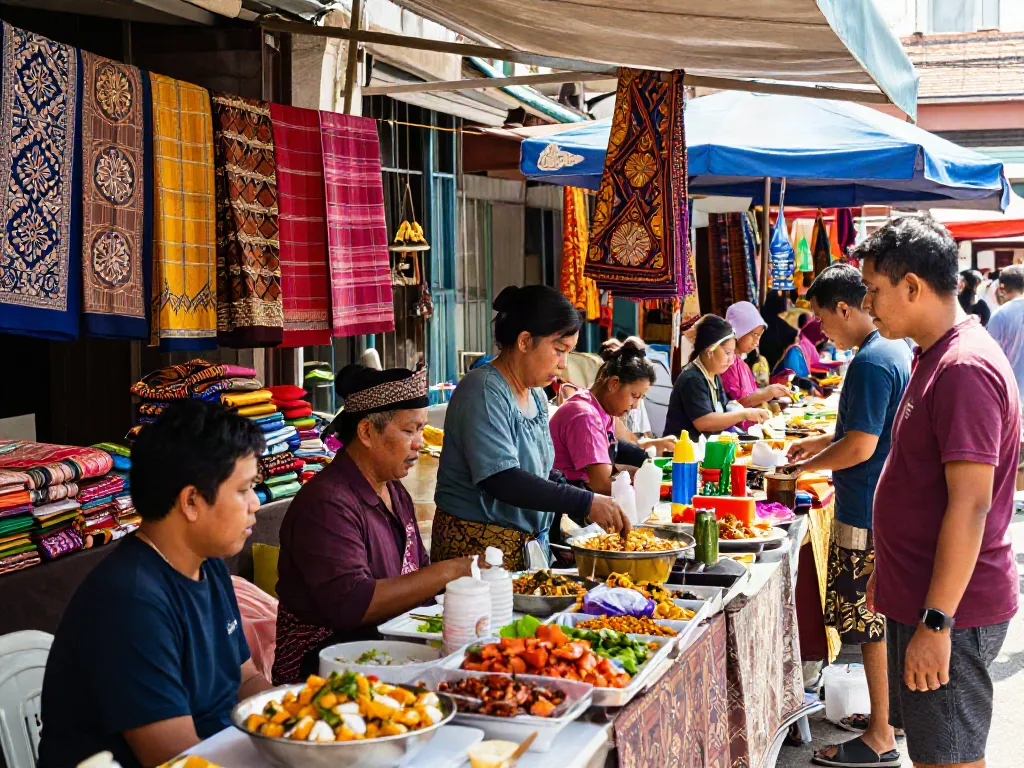
The Nyonya heritage is a vibrant part of Southeast Asia, particularly in Malaysia and Singapore. It embodies a unique blend of Chinese and Malay cultures, evident in the intricate designs of kebaya (traditional dress), the distinctive flavors of Nyonya cuisine, and the beautiful hand-crafted items like batik and porcelain. Acknowledging the richness of this heritage is crucial not only for cultural preservation but also for fostering a sense of identity among individuals of Nyonya descent.
Challenges in Preserving Nyonya Culture
Despite its cultural richness, the Nyonya heritage faces several challenges. Modernization, globalization, and the fast-paced lifestyle of contemporary society often overshadow traditional practices. Young people may find it difficult to relate to their heritage, leading to a generational gap in cultural transmission. Additionally, the dwindling number of artisans skilled in traditional crafts threatens the preservation of these practices. Addressing these challenges requires a concerted effort from individuals, communities, and organizations dedicated to promoting and sustaining Nyonya culture.
Strategies for Promoting Nyonya4D
To effectively promote Nyonya4D, it is essential to engage the community actively and harness the power of various platforms. Below are some strategic approaches that can help in revitalizing interest and participation in Nyonya culture.
Engaging the Community through Events
Hosting cultural festivals, workshops, and exhibitions can play a vital role in bringing together community members and fostering a deeper appreciation for Nyonya heritage. These events provide opportunities for hands-on experiences, such as learning traditional cooking techniques or participating in craft making. Engaging local schools and universities can also encourage younger generations to explore their cultural identity while fostering intergenerational dialogue.
Leveraging Social Media Platforms
In the digital age, social media is a powerful tool for cultural promotion. Platforms like Instagram, TikTok, and YouTube can be utilized to showcase Nyonya4D through visually engaging content such as cooking demonstrations, fashion showcases, and storytelling. Collaborating with influencers who resonate with the younger audience can amplify the reach and impact of these initiatives, creating a vibrant online community passionate about preserving and promoting Nyonya culture.
Collaborating with Local Artisans
Building partnerships with local artisans is crucial for promoting traditional crafts that are integral to Nyonya culture. By creating opportunities for artisans to showcase their work through markets, collaborations with designers, and craft fairs, we not only support their livelihoods but also instill pride in the craftsmanship associated with Nyonya heritage.
Key Benefits of Embracing Nyonya4D
The embrace of Nyonya4D offers numerous benefits, which extend beyond cultural appreciation and into the realms of economic growth and community strengthening.
Cultural Identity and Heritage Recognition
Participating in Nyonya4D initiatives fosters a strong sense of cultural identity. Individuals connect with their heritage, which enhances self-esteem and belonging. Recognizing and celebrating Nyonya culture in public spaces also reinforces cultural pride and encourages others to appreciate this unique aspect of Southeast Asian history.
Economic Growth through Cultural Tourism
Cultural tourism is a significant driver of economic growth. By promoting Nyonya heritage through festivals, culinary tours, and cultural events, local economies can benefit from increased tourism. Tourists often seek authentic cultural experiences, and Nyonya4D offers a unique opportunity to engage them while supporting local businesses and artisans.
Fostering Community Connections
Engaging with Nyonya culture brings people together, creating a sense of community among participants. It encourages collaboration across different age groups, backgrounds, and ethnicities, fostering mutual respect and understanding. Community events focused on Nyonya traditions can serve as platforms for dialogue and relationship building, strengthening social ties within diverse communities.
Measuring the Impact of Nyonya4D Initiatives
To gauge the success of Nyonya4D initiatives, it is imperative to establish a framework that measures both qualitative and quantitative outcomes.
Key Performance Indicators (KPIs)
Defining clear KPIs helps organizations and community groups assess the effectiveness of their initiatives. Metrics such as participation rates, audience engagement on social media, and feedback collected from event attendees can provide valuable insights into what is resonating with the community and areas that need improvement.
Case Studies of Successful Programs
Examining successful case studies of Nyonya4D programs can provide valuable lessons and strategies for replication. For example, festivals that blend traditional performances, culinary showcases, and local artisan markets have successfully attracted diverse audiences, creating memorable experiences that celebrate Nyonya culture. Analyzing these successes allows for the refinement of future initiatives.
Feedback Mechanisms from Participants
Creating avenues for feedback from participants can enhance the planning and execution of future events. Surveys, focus groups, and informal discussions can provide insights into the community's needs and preferences, ensuring that future Nyonya4D initiatives remain relevant and appealing.
Future Trends in Nyonya4D Cultural Engagement
As society evolves, so will the ways in which Nyonya4D engages the community. Understanding emerging trends is crucial for sustaining interest and participation.
Technological Innovations in Heritage Promotion
Technology will continue to shape cultural engagement in the coming years. Innovations such as augmented reality (AR) experiences can provide immersive opportunities to explore Nyonya culture. For example, AR applications can allow users to virtually attend a Nyonya cooking class, bringing traditional recipes to life in an interactive way.
Emerging Cultural Trends for 2026
As we approach 2026, there will be a noticeable shift towards sustainability and ethical practices in cultural promotions. This can manifest in eco-friendly events, sustainable sourcing of materials, and an emphasis on preserving the environment while celebrating heritage. Engaging with younger audiences who prioritize these values will be essential in driving the movement forward.
Global Influences on Nyonya Culture
Globalization will continue to impact Nyonya culture, introducing new influences while necessitating the preservation of traditional elements. As artists and chefs experiment with fusion concepts, it will be important to maintain a balance that honors heritage while innovating for contemporary tastes.
What are the historical roots of Nyonya culture?
The historical roots of Nyonya culture trace back to the 15th and 16th centuries when Chinese immigrants, known as the Straits Chinese, settled in the Malay Archipelago. Their intermarriages with local Malays gave rise to the unique Nyonya culture, characterized by a rich blend of traditions, cuisine, language, and customs.
How can I get involved in promoting Nyonya heritage?
Individuals can get involved in promoting Nyonya heritage by participating in local events, supporting Nyonya artisans and businesses, and engaging in cultural education initiatives. These efforts can cultivate a deeper understanding and appreciation of Nyonya culture within the community.
What role does food play in Nyonya culture?
Food is central to Nyonya culture, serving as a medium for cultural expression and community bonding. Traditional Nyonya dishes, with their unique flavors and cooking techniques, reflect the blending of Chinese and Malay culinary traditions. Sharing meals and cooking together fosters connections and honors the heritage passed down through generations.
Is Nyonya4D relevant outside of its cultural context?
Yes, Nyonya4D holds relevance outside its immediate cultural context as it offers universal themes of identity, belonging, and community. These themes resonate with diverse audiences and can inspire intercultural exchanges and understanding.
What are the economic impacts of Nyonya4D initiatives?
Economic impacts of Nyonya4D initiatives include job creation in tourism, increased business for local artisans, and the promotion of cultural tourism that attracts visitors. These initiatives not only support local economies but also contribute to the broader preservation of cultural heritage.